
01 Qualifications of key personnel
Outline the expertise, experience, and roles of key team members.
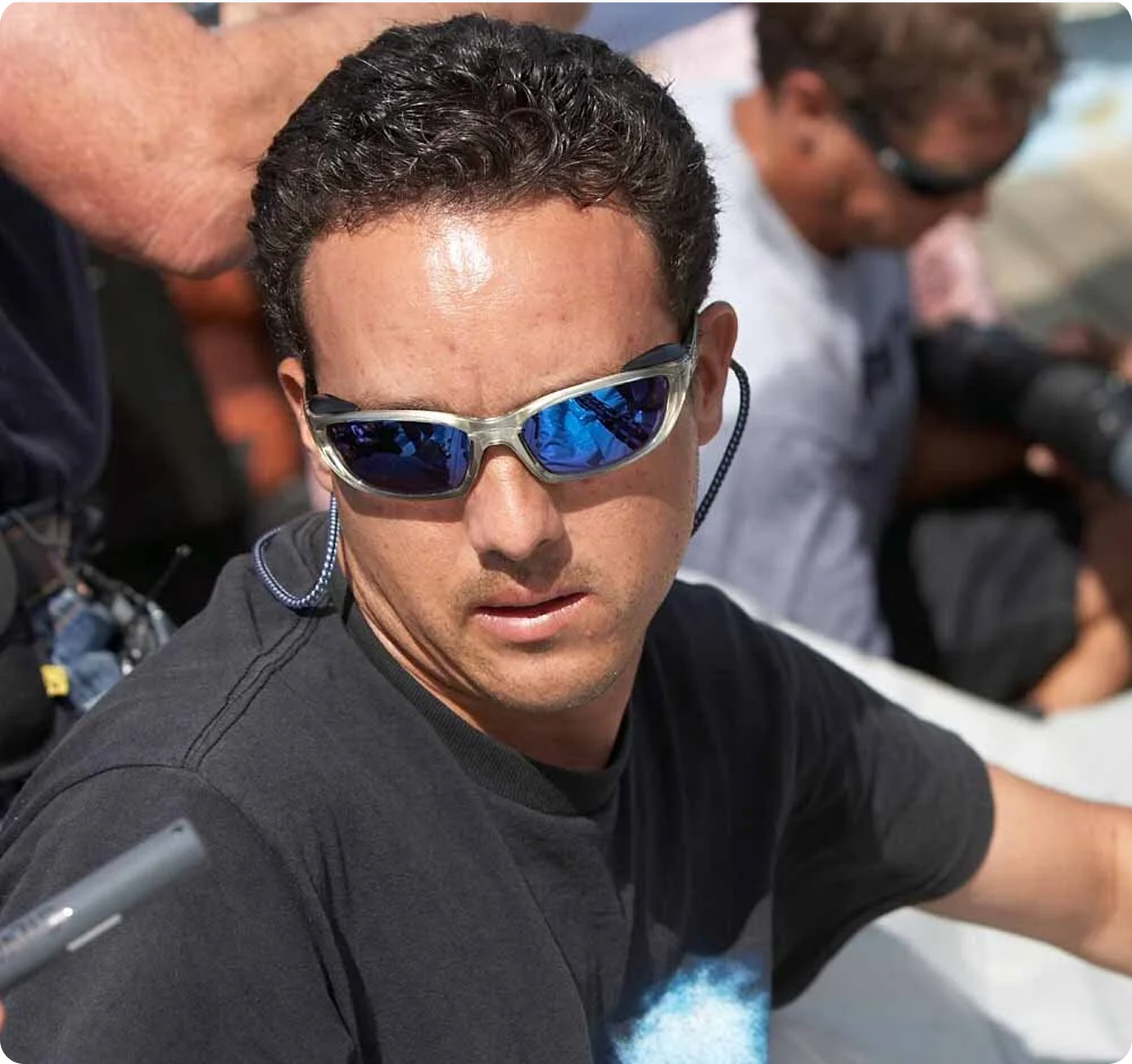
Dr. Édgar Mauricio Hoyos Padilla
Project Coordinator
Dr. Mauricio Hoyos is the Director and Co-founder of Pelagios Kakunjá. His main research areas include nursery grounds, reproduction, movement patterns and habitat use, ecology, and shark behavior. Based in La Paz, he has studied various shark species in locations such as Guadalupe Island, Gulf of California, Revillagigedo Archipelago, Playa del Carmen, Cancún, Isla Mujeres (Mexico), Clipperton (France), Cocos Island (Costa Rica), Malpelo (Colombia), Los Roques (Venezuela), and the British Virgin Islands (UK). He has worked with sharks since 1998 and serves on the scientific advisory boards of several marine reserves in Mexico. Dr. Hoyos has been highly active in shark conservation outreach and education, giving around 300 talks to groups ranging from primary schoolchildren to university students. Over his career, he has received several awards (Golden Diver, Shark Researcher of the Year, and Sea Hero) for his efforts in shark protection and conservation. He has authored or co-authored 86 peer-reviewed scientific articles, 7 book chapters, and one book on white sharks. He has also served as a scientific advisor for numerous international documentaries for networks such as National Geographic (6), Discovery Channel (7), Japan Underwater Films (1), IMAX (1), Natural History New Zealand (1), as well as national networks such as Televisa (3), and Canal Once TV-México (8).
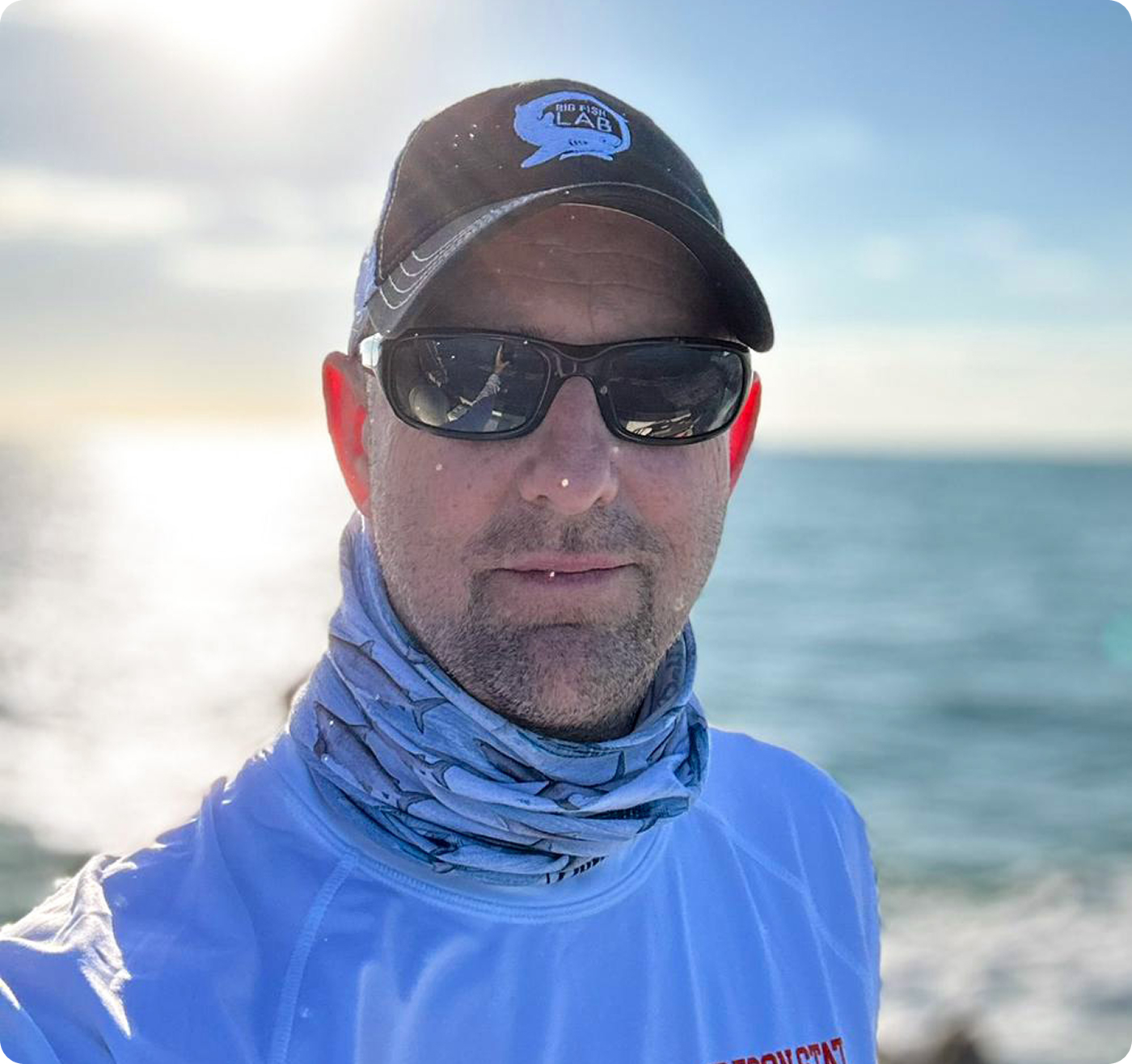
Dr. James Sulikowski
Shark Reproduction Specialist
Dr. Sulikowski and his laboratory of undergraduate and graduate students are dedicated to enhancing our understanding and conservation of sharks and other fish species. He holds master’s degrees in marine biology and physiology, and a PhD in zoology. His interdisciplinary research integrates fisheries biology aspects such as reproduction, maturity, age and growth, physiological responses to stress, and how these parameters influence bycatch mortality. He also investigates the composition, movements, and spatial/temporal distribution of commercially valuable species in both coastal and pelagic environments. With 25 years of experience using and integrating various techniques—including hormone analysis, electronic tracking, and ultrasound imaging—he has produced over 100 peer-reviewed publications and secured more than $13 million USD in external grant funding. His work has been featured in media such as the BBC series Rise of Animals, Ocean Mysteries Series, Discovery Channel’s Shark Week, Nat Geo Wild, and many other local, regional, and national outlets.
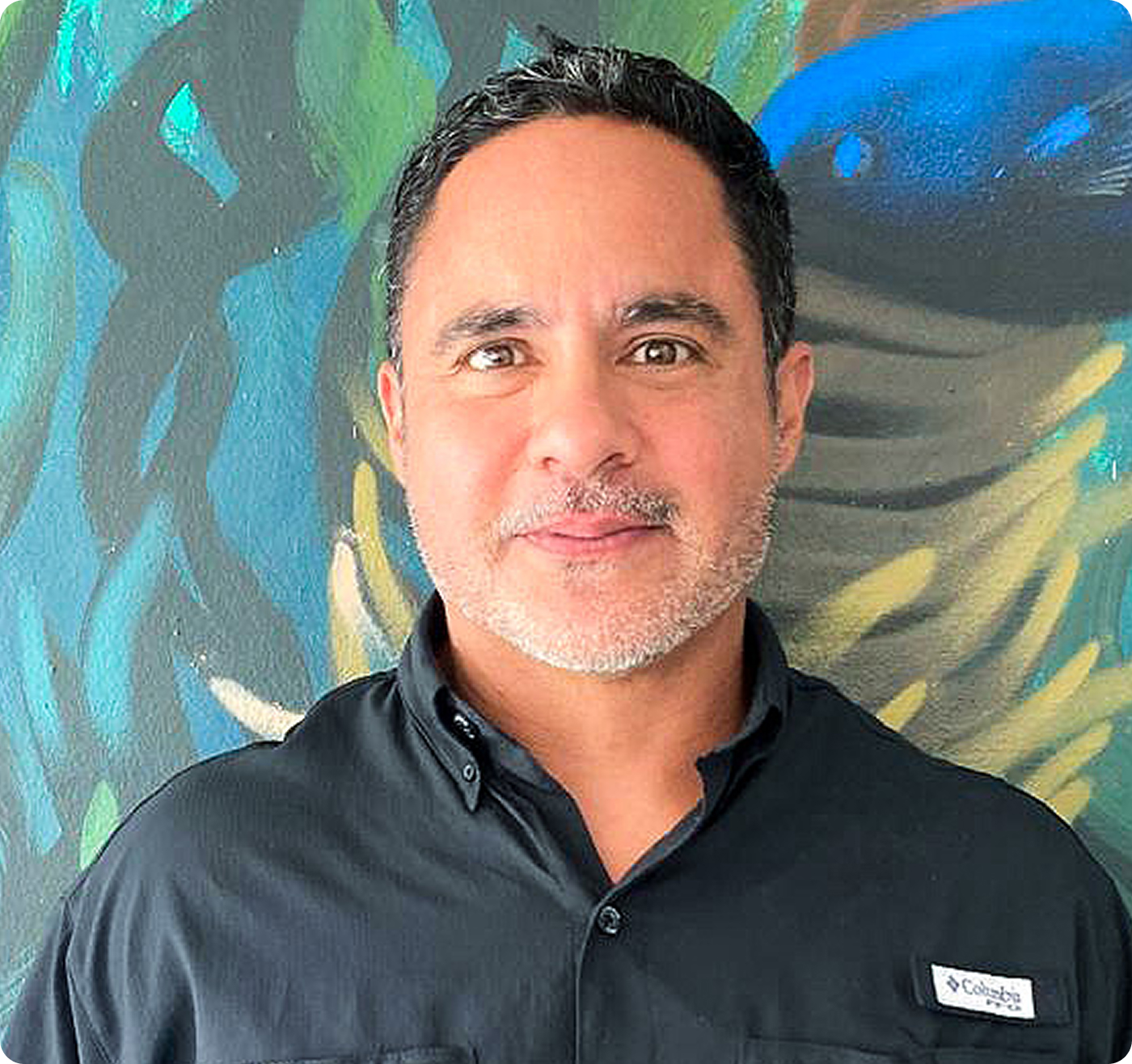
Dr. Omar Santana Morales
Community and Fisheries Specialist
Since completing his biology degree, Dr. Santana has studied artisanal and industrial elasmobranch fisheries in Baja California, with a focus on vulnerable areas such as the Upper Gulf of California and Sebastián Vizcaíno Bay. He conducted his master's research in the latter, characterizing shark and ray catches, and discovered evidence that Vizcaíno Bay serves as a nursery area for white sharks. During his PhD in Coastal Oceanography, his primary interest was generating information through basic science and advanced technologies to better understand vulnerable marine species targeted by extractive or non-extractive uses (like ecotourism). This allows for the proposal of management strategies that conserve resources while supporting ongoing activity—often the only livelihood in many parts of Mexico. Another of his research lines is the monitoring and conservation of shark species protected by national and international regulations, aiming to support their sustainable management. From 2014 to 2019, he led the white shark biological monitoring program at Guadalupe Island, characterizing the population and advising CONANP on species management. One of his main achievements during this period was determining the carrying capacity for cage diving tourist vessels within the designated public-use zone. He also contributed to designing the cage diving regulations, best practices manual, and observation cage designs.
Dr. Yannis Papastamatiou
Shark Behavior Specialist
Born and raised in London, England, Dr. Yannis Papastamatiou spent his early years snorkeling in the warm waters of Greece. He earned his bachelor's degree from the University of Southampton before moving to the United States to pursue a master’s degree at California State University, Long Beach, and later a PhD at the University of Hawaii. He is currently an Assistant Professor at Florida International University, where his lab investigates the physiological and behavioral ecology of sharks and other predators. His research has taken him across the globe, including Japan, Mexico, the Bahamas, Pacific Islands, Alaska, and Belize, resulting in nearly 60 scientific publications. He is also highly interested in the study and exploration of deep reefs (>50 m). In 2017, he joined the Pelagios Kakunjá research team to collaborate on several projects, particularly in Cabo Pulmo, the Revillagigedo Archipelago, and Guadalupe Island.
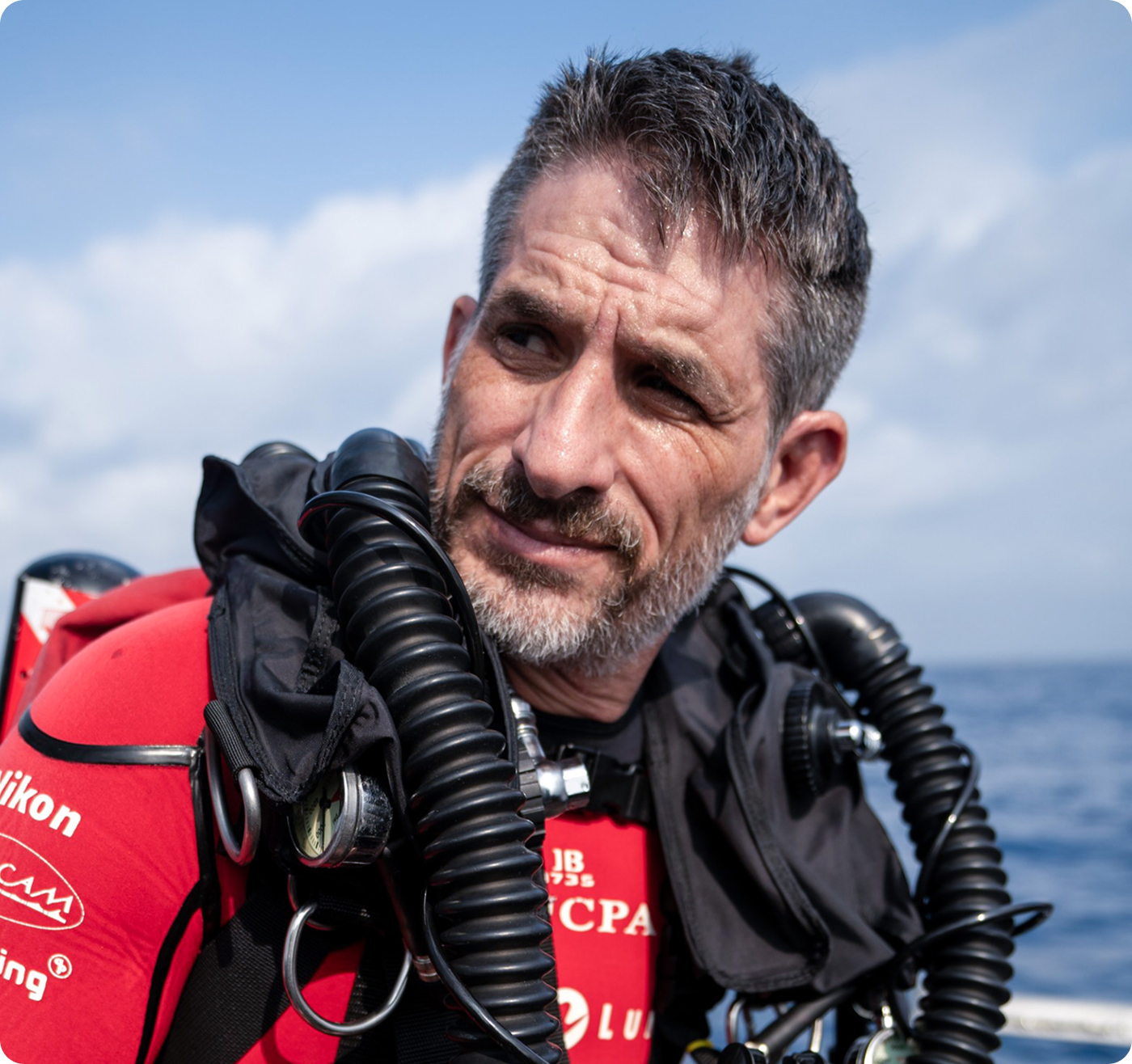
M.C. Isai David Barba Acuña
Community and Pinniped Specialist
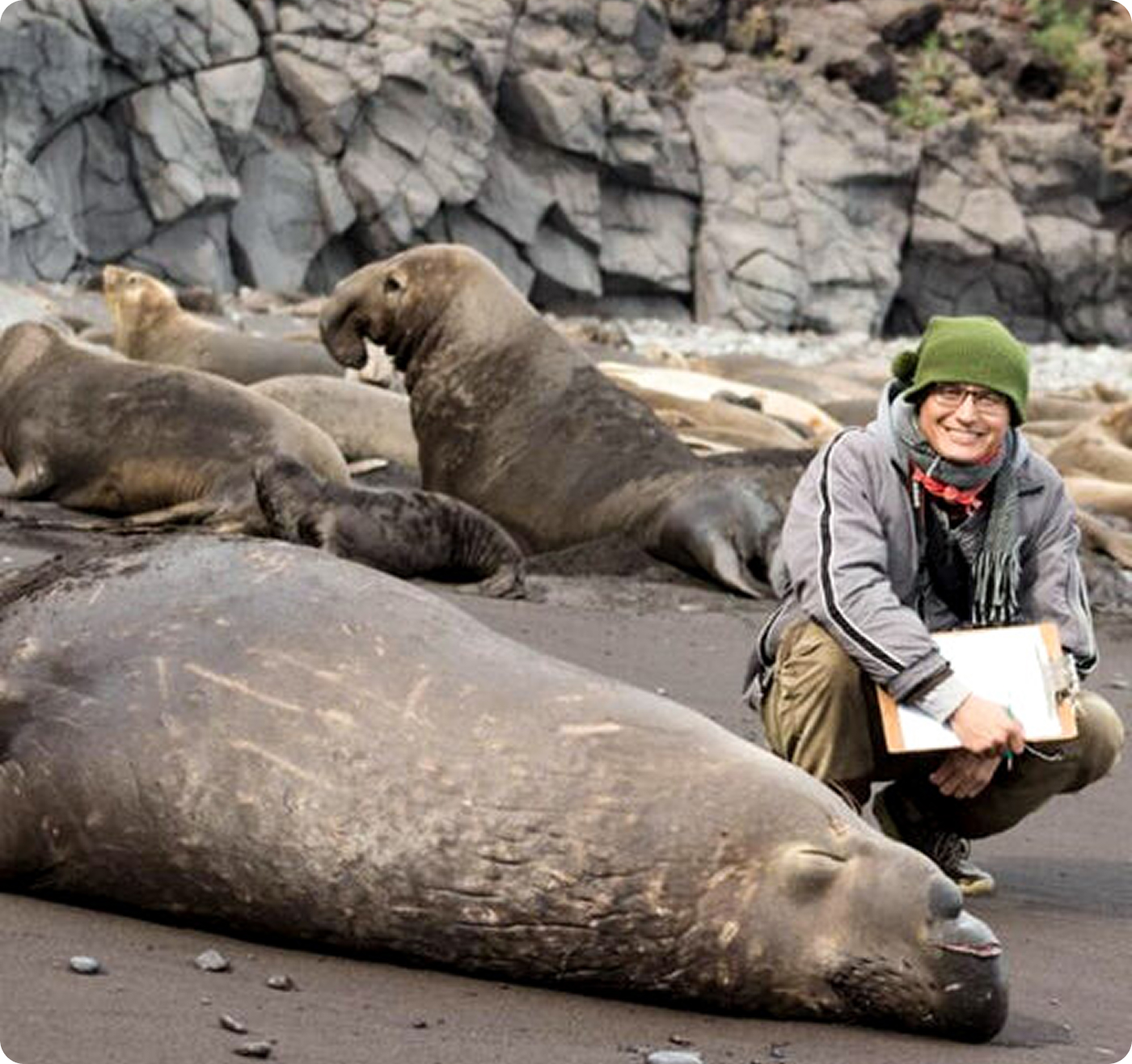
Isai David Barba Acuña is a biologist and researcher at the Ecophysiology Laboratory of the Center for Food and Development Research (CIAD). His work focuses on the ecology, behavior, toxicology, and conservation of wildlife, including marine mammals (cetaceans, pinnipeds), birds, sharks, felines, and otters. He has conducted research in key areas of northwestern Mexico such as Guadalupe Island, Revillagigedo, San Pedro Mártir, and various sites in Sonora—documenting marine megafauna, assessing impacts from heavy metals and microplastics, and characterizing the biodiversity of island and mountainous ecosystems. He currently leads a camera trap study in the Sierra del Aguaje, Sonora, to propose it as a Voluntarily Designated Conservation Area (ADVC). He has authored more than 20 scientific articles and collaborated on over 30 projects with institutions, organizations, and communities across northwest Mexico. He is an active member of AMMAC, SOMEMMA, and other national scientific networks.
02 Qualifications of organization
Pelagios-Kakunjá is a non-profit organization that seeks to understand the ecology and behavior of marine top predators. We aim to generate baseline information for the regional management and conservation of sharks and other pelagic fauna in the Gulf of California and Mexican Pacific. Our organization has achieved the following:
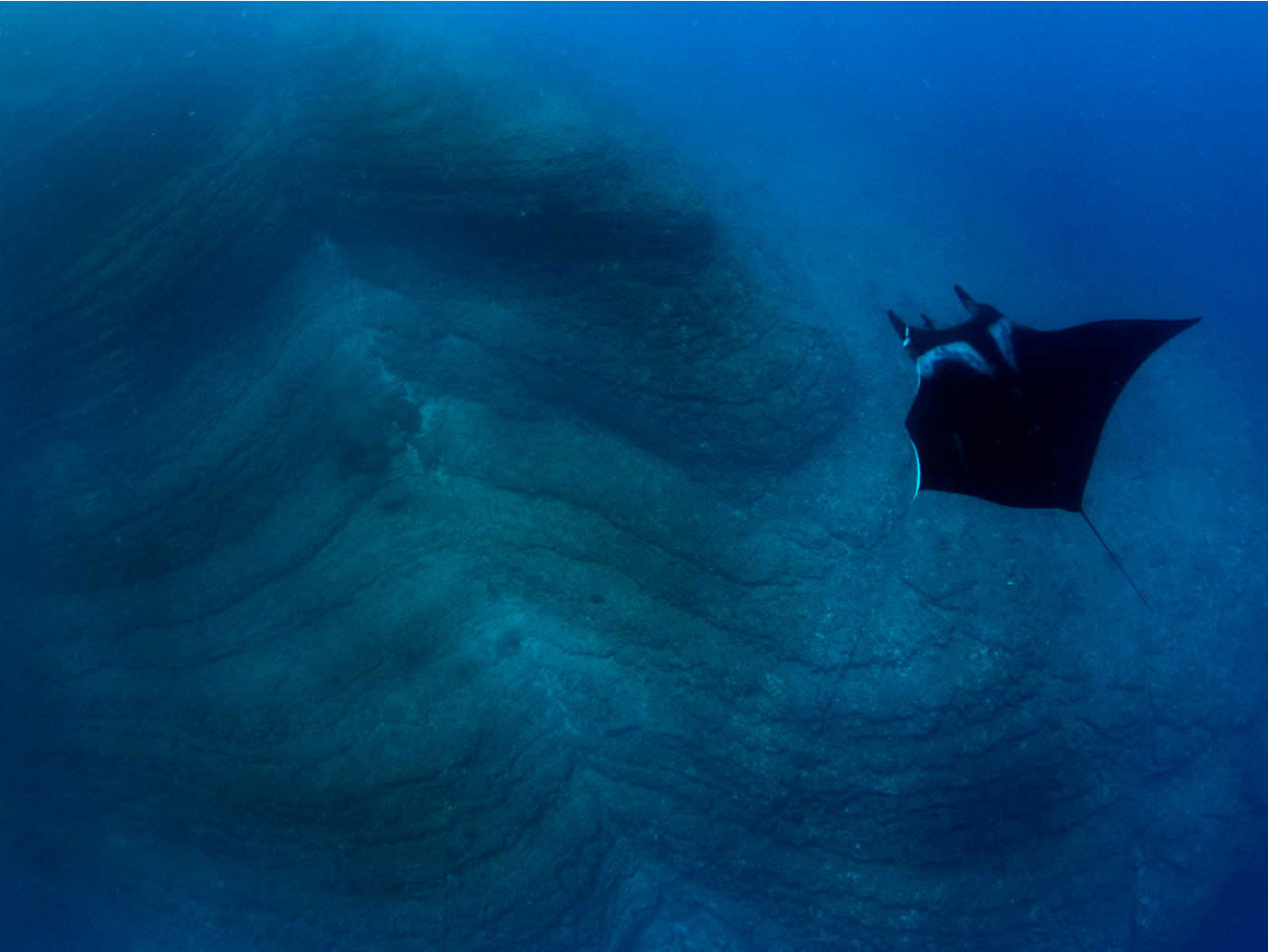
Research in the Revillagigedo Archipelago
The key to designing the shape and extension of the Revillagigedo National Park polygon based on the movements and connectivity of sharks and giant mantas. This information was used a few years earlier as support for the designation of the Archipelago as a UNESCO World Heritage Site (2016), and later as the basis for the delimitation of the extension of the Revillagigedo National Park (2017).
Participate in the elaboration of the ISRAs (Important Shark and Ray Areas)
An initiative of the Commission of the Shark Specialist Group for the survival of species of the International Union for Conservation of Nature (IUCN). With the contribution of scientific data generated by our team, the following ISRAs were established:
- Revillagigedo Archipelago, 159,647.5 km2 (Read More)
- Central coast of Nayarit, 3,360.6 km2 (Read More)
- Gulf of California-Revillagigedo-Clipperton Migration Corridor, 252,225 km2 (Read More)
- Loreto-Cabo Pulmo migration corridor, 16,127.8 km2 (Read More)
Generate multiple publications
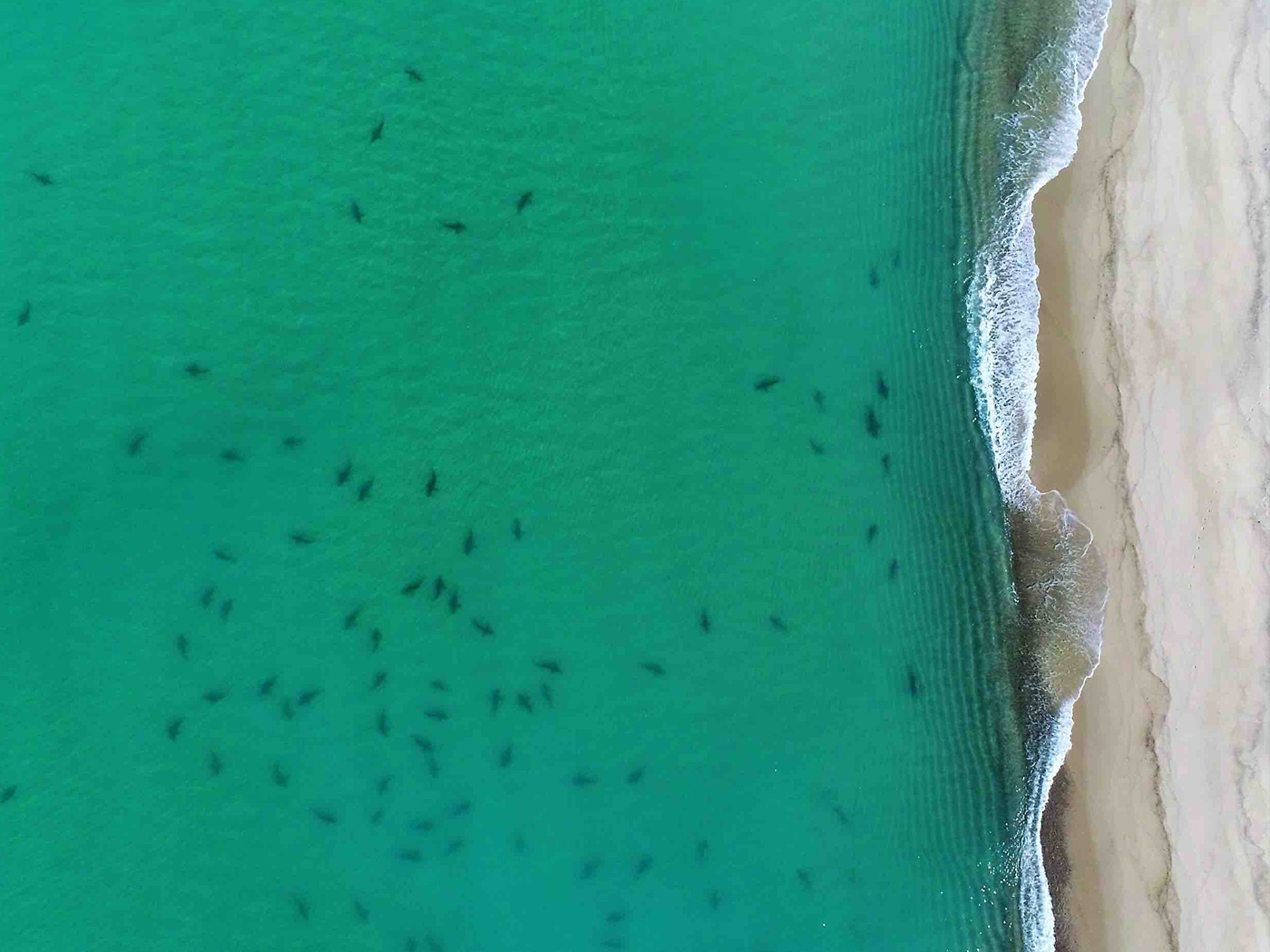
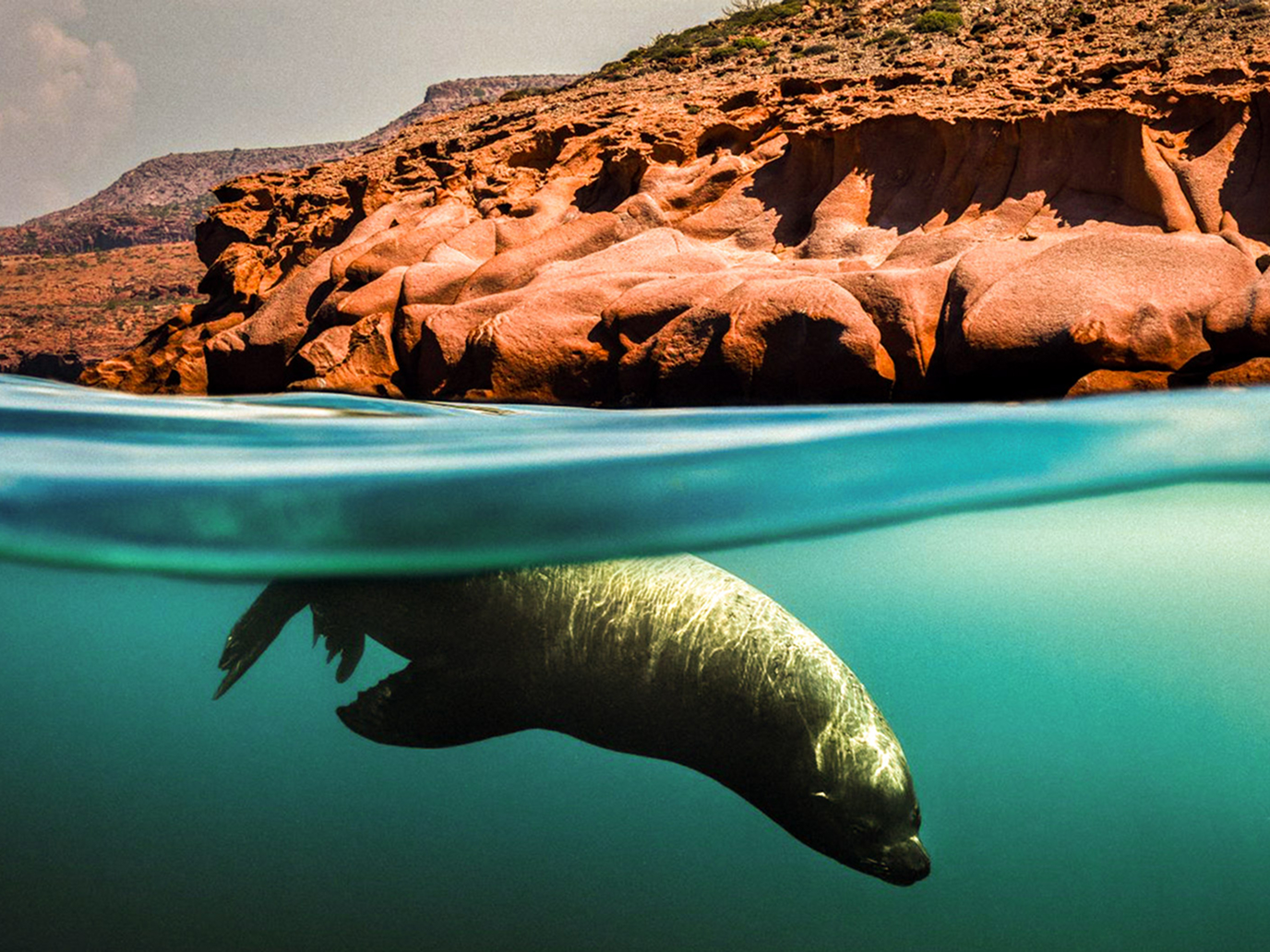
1 book, 5 book chapters, more than 100 scientific articles published in prestigious international journals and more than 15 outreach articles.
Generate technical information
For the management of at least 5 Protected Natural Areas in the Pacific and Mexican Caribbean.
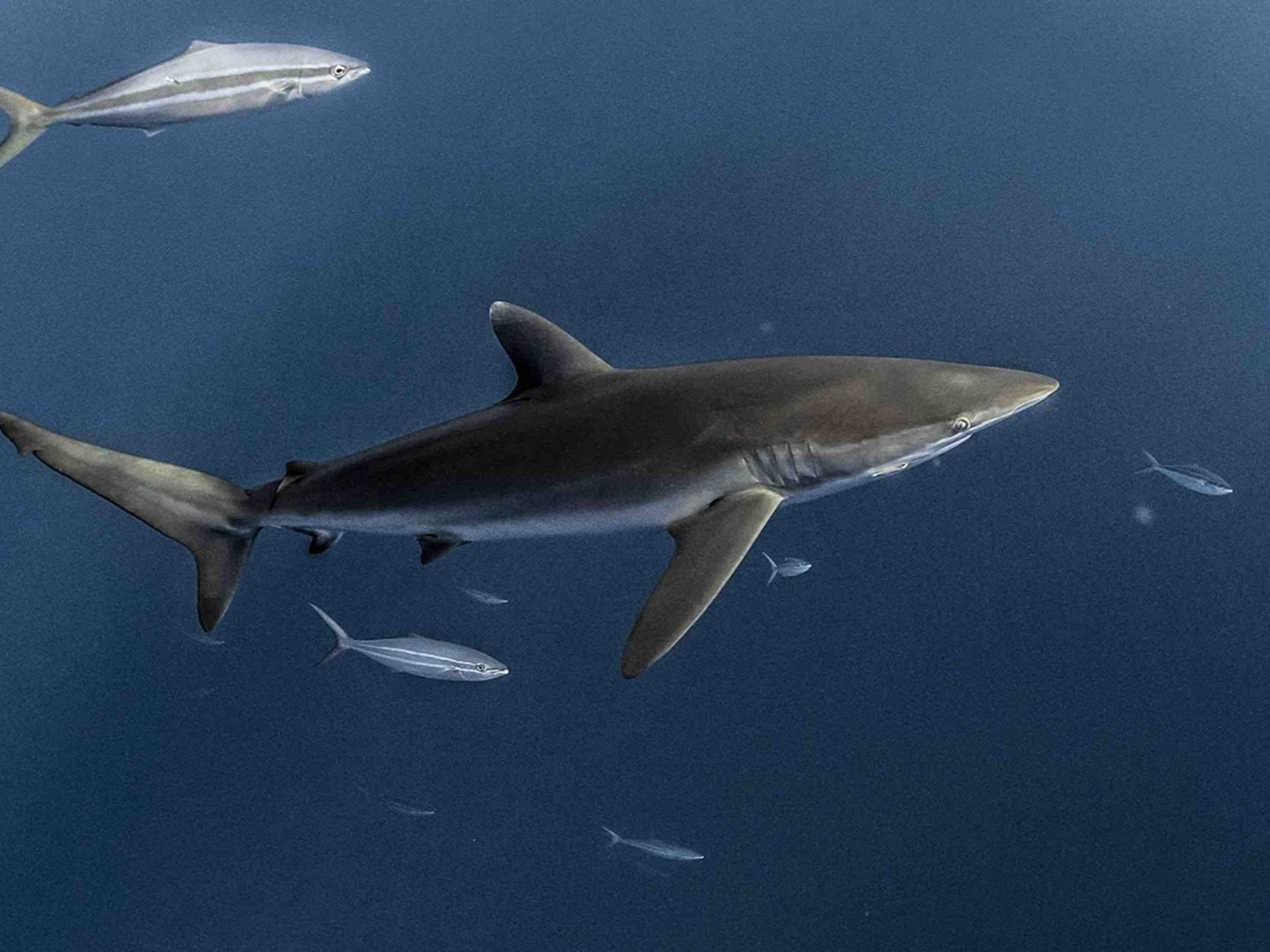
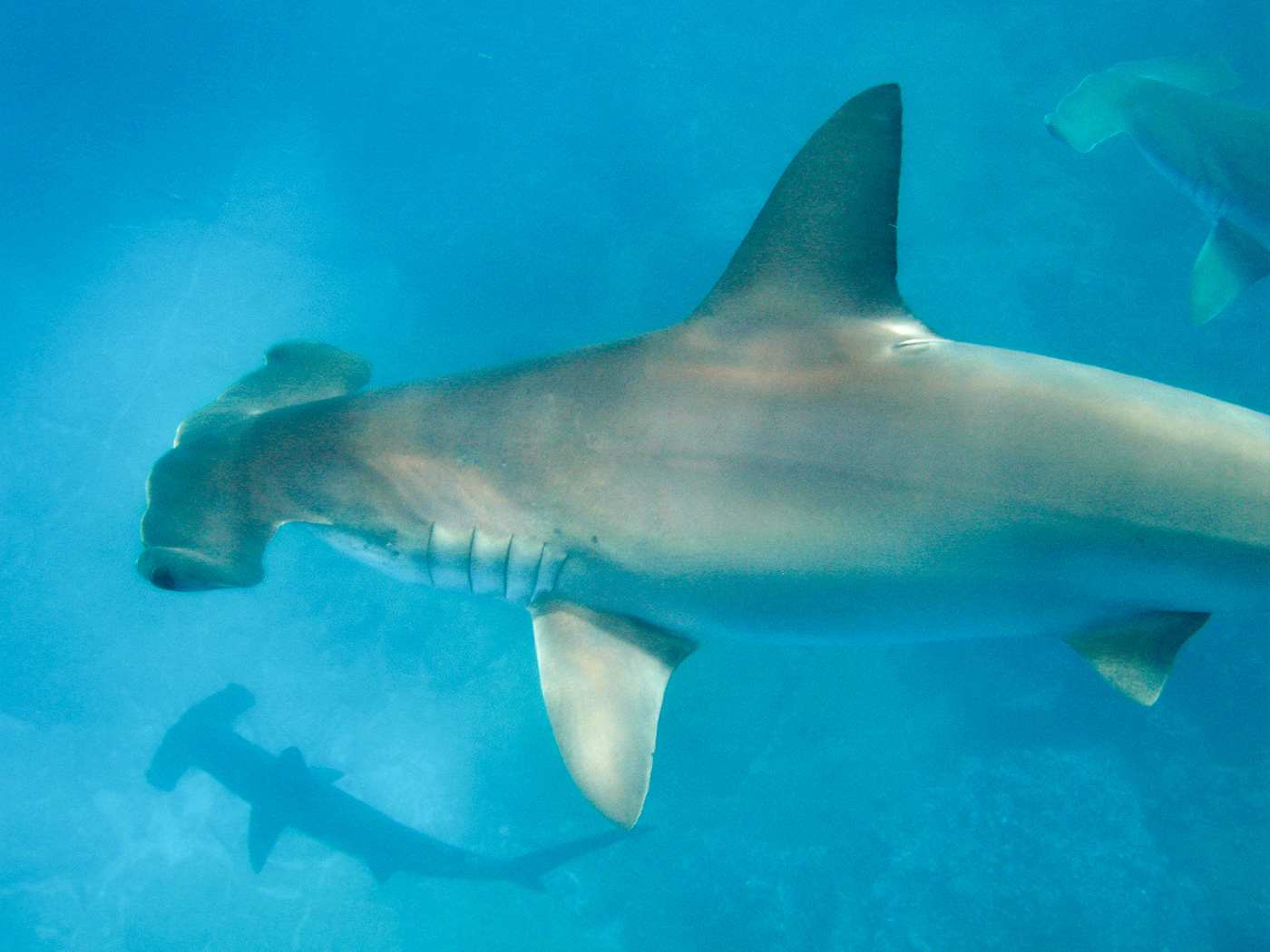
Continuously monitoring vulnerable and endangered shark and ray species
In four protected areas in Mexico for more than 12 years: Guadalupe Island, Cabo Pulmo, Revillagigedo Archipelago, and Espiritu Santo.
Coordinate research projects
Around 10 research projects in the Mexican Pacific.
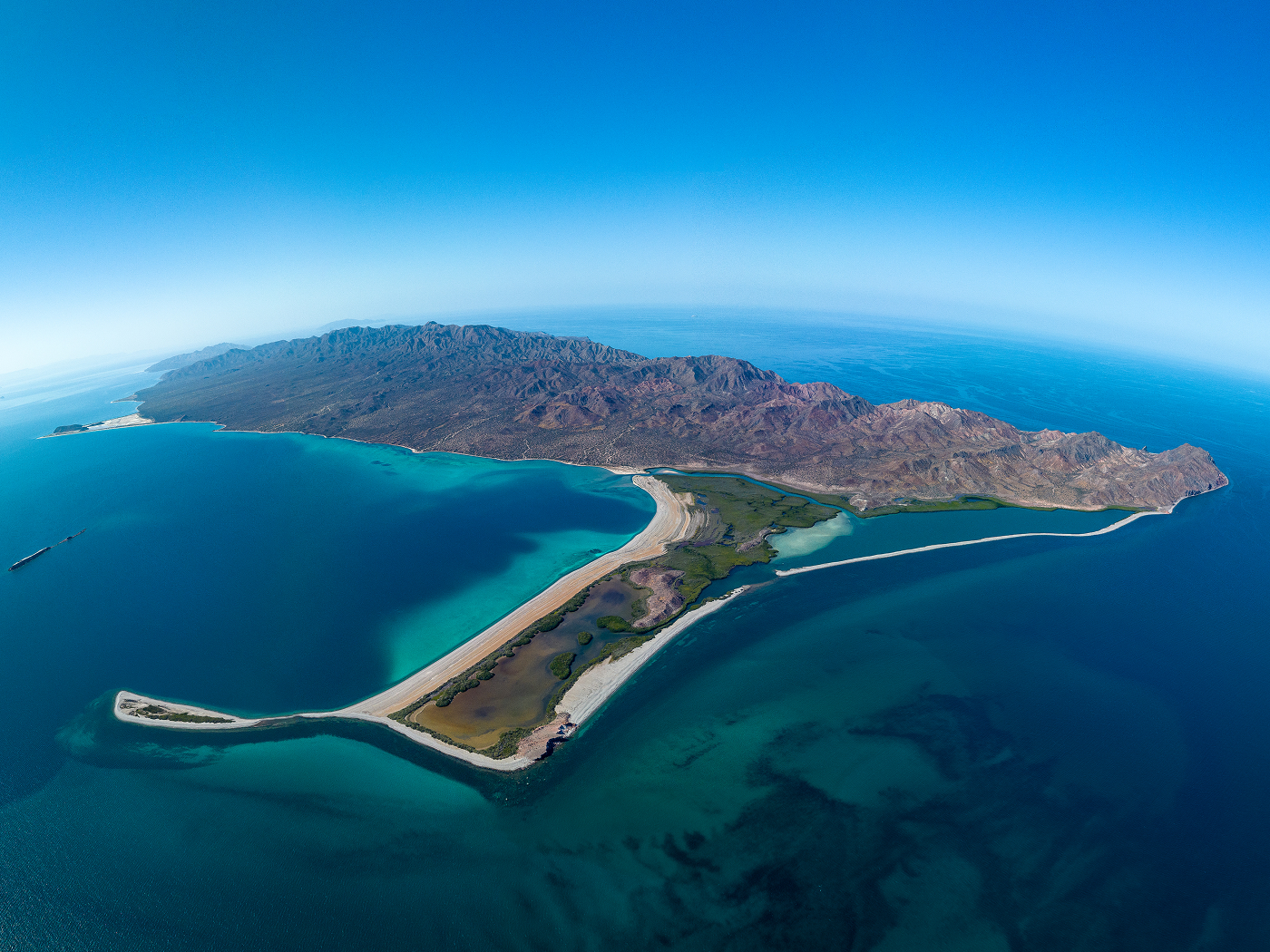
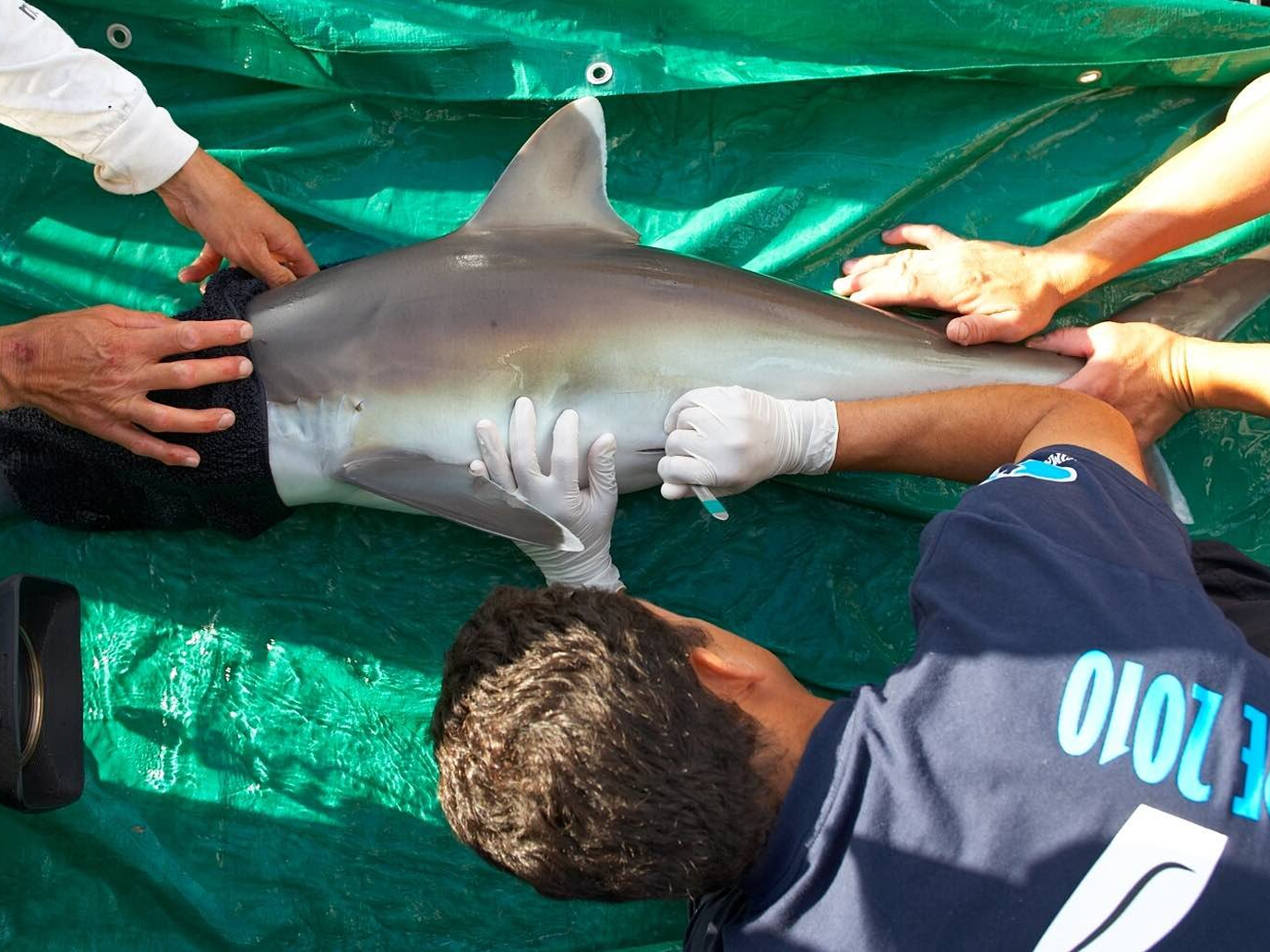
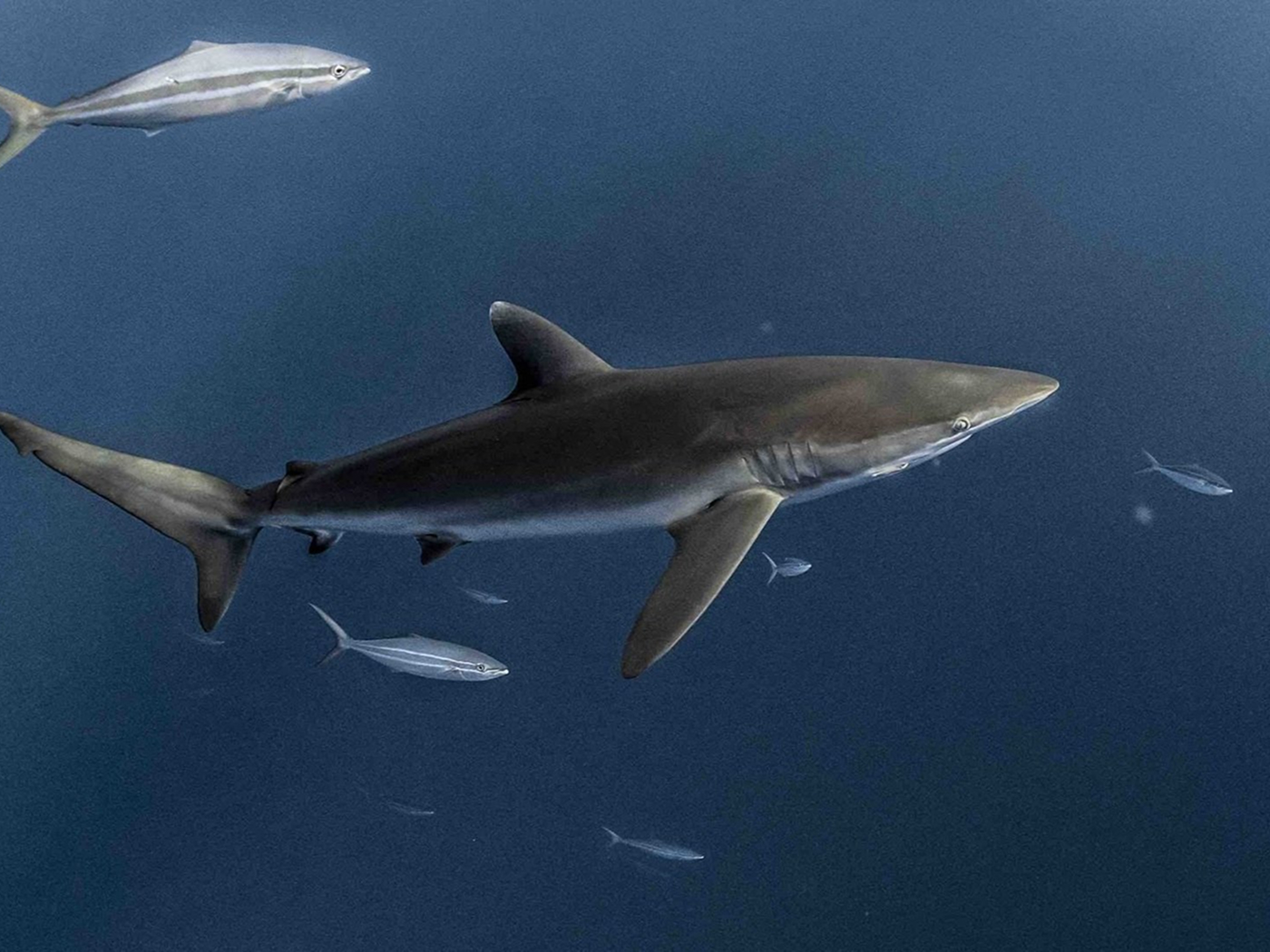
Tagged more than 600 sharks and rays
Using acoustic and satellite transmitters in the Pacific and Mexican Caribbean.
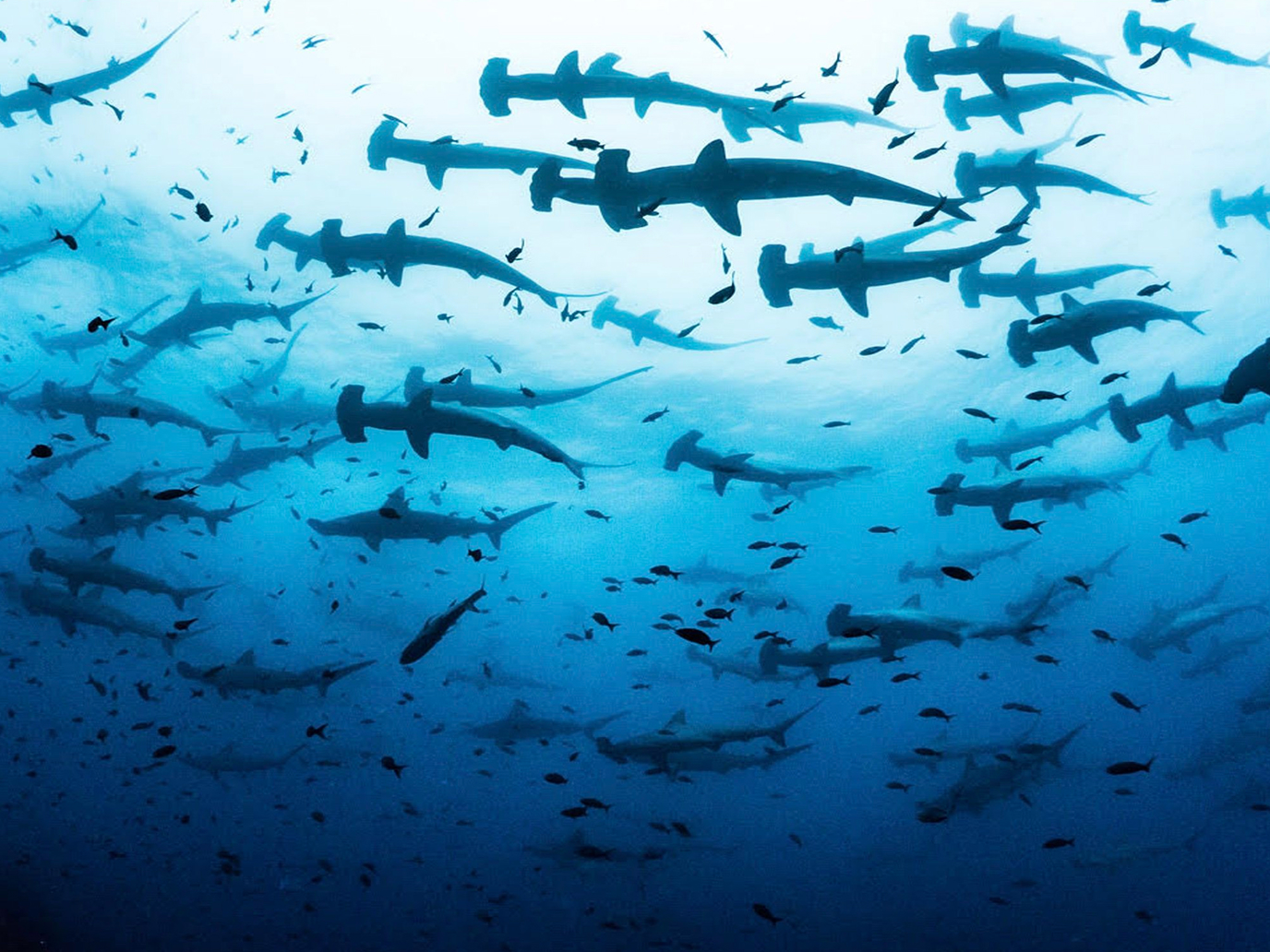
Continuously organizing and implementing workshops with fishermen
In order to collaborate in the recovery of the hammerhead shark in the Gulf of California.
Collaborate with research groups
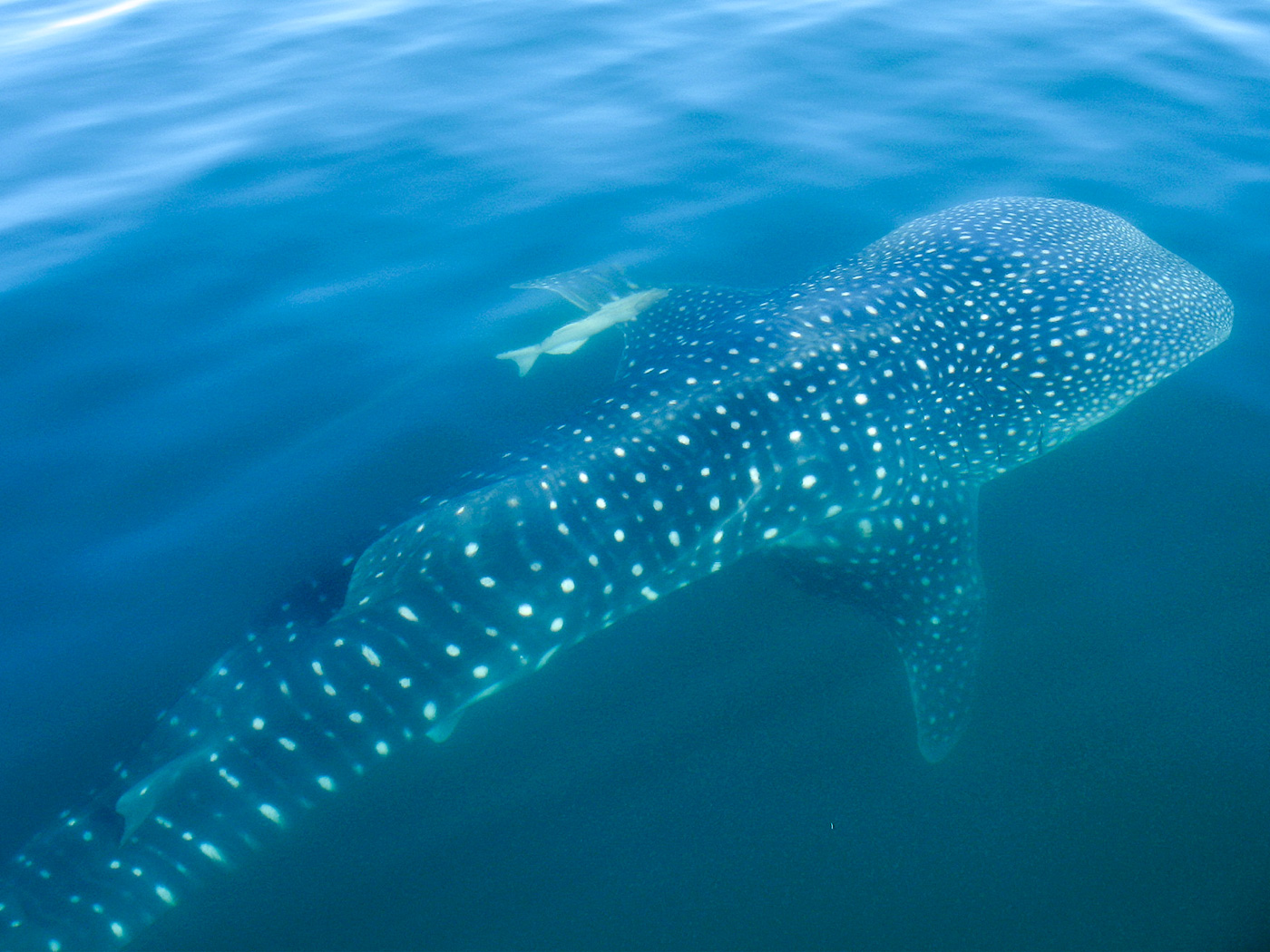
In different parts of the Mexican Pacific, the Tropical Eastern Pacific, and the Caribbean through the study of more than 12 species of sharks and rays.
Elaboration of 5 manuals
Of good practices to regulate the interaction of underwater tourism with elasmobranchs in Protected Natural Areas.
Acting as representatives of the Academic and Research sector
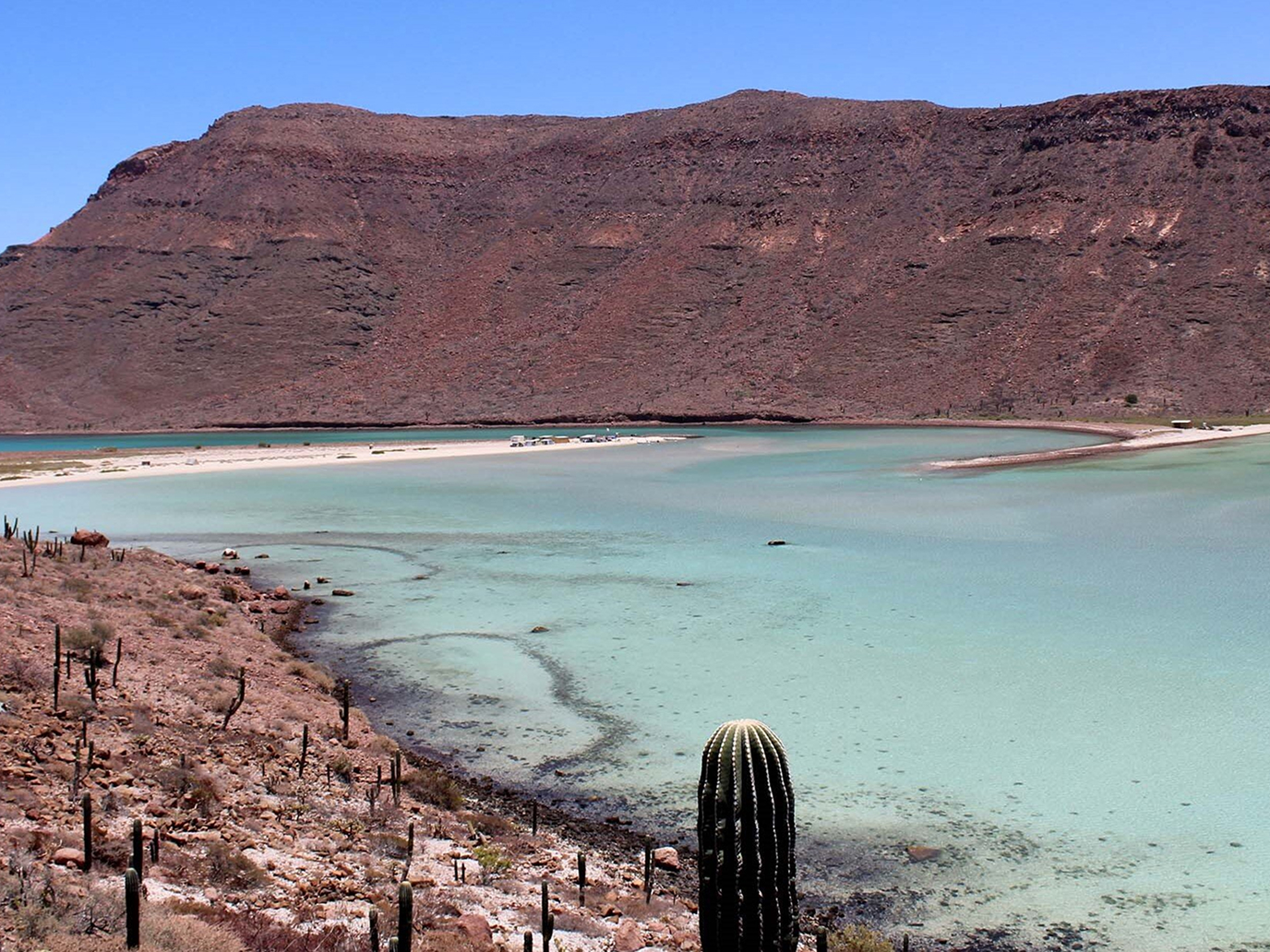
Of the Cabo Pulmo National Park Advisory Council (2019- to date), and of the Revillagigedo National Park Advisory Council (2020 to date).
Participate in multiple national and international scientific congresses and meetings
Where we present the results of our research with sharks in Mexico.
Take Action Today
 Donate
Our work is only possible with your support! Your donation will contribute to our shark research and conservation programs in Mexico
 Adopt
Adopt
Through the adopt a shark program, anyone can symbolically sponsor a shark for themselves, a loved one or together as a company, school group or university
 Donors
Recognizing the generous organizations whose continued support drives our shark conservation, research, and education initiatives forward