
01 Introduction
Studying an apex predator to safeguard the balance of our oceans.

The white shark (Carcharodon carcharias) is one of the ocean’s most iconic species, both for its imposing size and its ecological role as an apex predator. Although its fame has been surrounded by myths, its function in the marine ecosystem is vital, as it regulates the populations of its prey and contributes to the ocean's balance. It inhabits a wide range of marine ecosystems—from shallow coastal areas to oceanic islands—and its migratory behavior exposes it to multiple threats: commercial and sport fishing, bycatch, entanglement, and habitat loss in nursery areas. The species is considered Vulnerable by the IUCN and its trade is regulated by CITES; in Mexico, it is also protected by national legislation (NOM-029) that prohibits its capture and commercialization. However, knowledge about its abundance, reproduction, and population dynamics in Mexican waters remains limited.
Mexico hosts key habitats for the white shark, with the Guadalupe Island Biosphere Reserve standing out as one of the most important aggregation sites in the world. However, recent encounters with large females along the coast of Sonora—reported by artisanal dive fishers—have sparked scientific interest in a potential migratory connection between Guadalupe and the Gulf of California, particularly for reproductive purposes. This project proposes a comprehensive strategy to study the reproductive biology and movement patterns of the species using modern, non-invasive technologies such as portable ultrasound, blood hormone analysis, and high-resolution satellite and acoustic devices. The main hypothesis is that some females may be using these new coastal zones as gestation or birthing areas, which has not been previously documented.

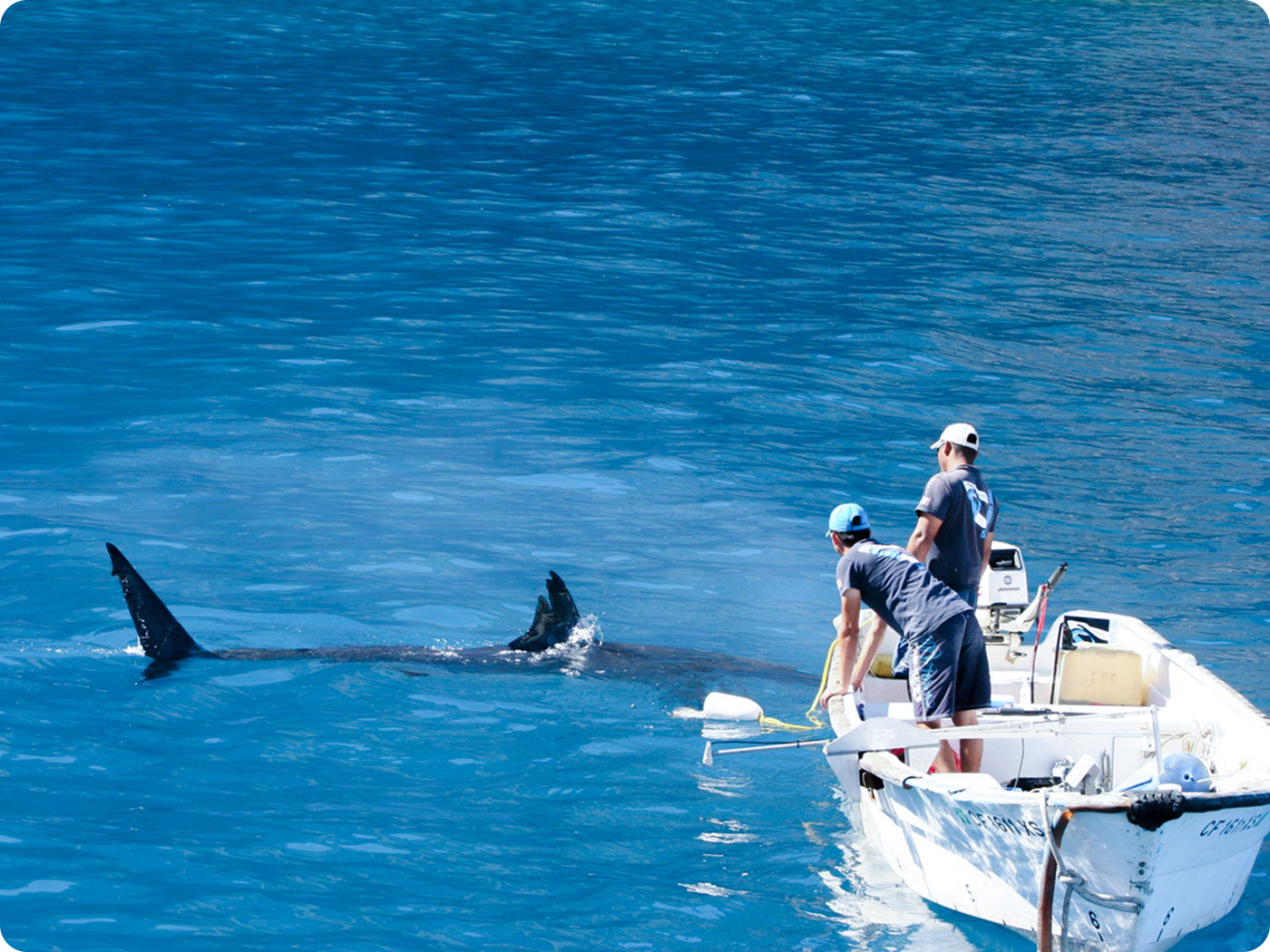
The work plan includes tagging adult sharks at Guadalupe Island and monitoring them long-term, which will allow researchers to trace migration routes and detect movements toward areas of interest such as Sonora. In addition, the project will aim to understand their feeding, reproductive, and social behaviors using motion sensors, underwater cameras, and sonar-equipped biologging tags. This scientific effort will not only provide critical knowledge for white shark conservation but also generate management tools, such as early-warning systems for fishers when females are detected in dive zones. By integrating cutting-edge science with the protection of local stakeholders, this project seeks to support the sustainable management of the species in Mexico and lay a strong foundation for regional and international conservation policies.
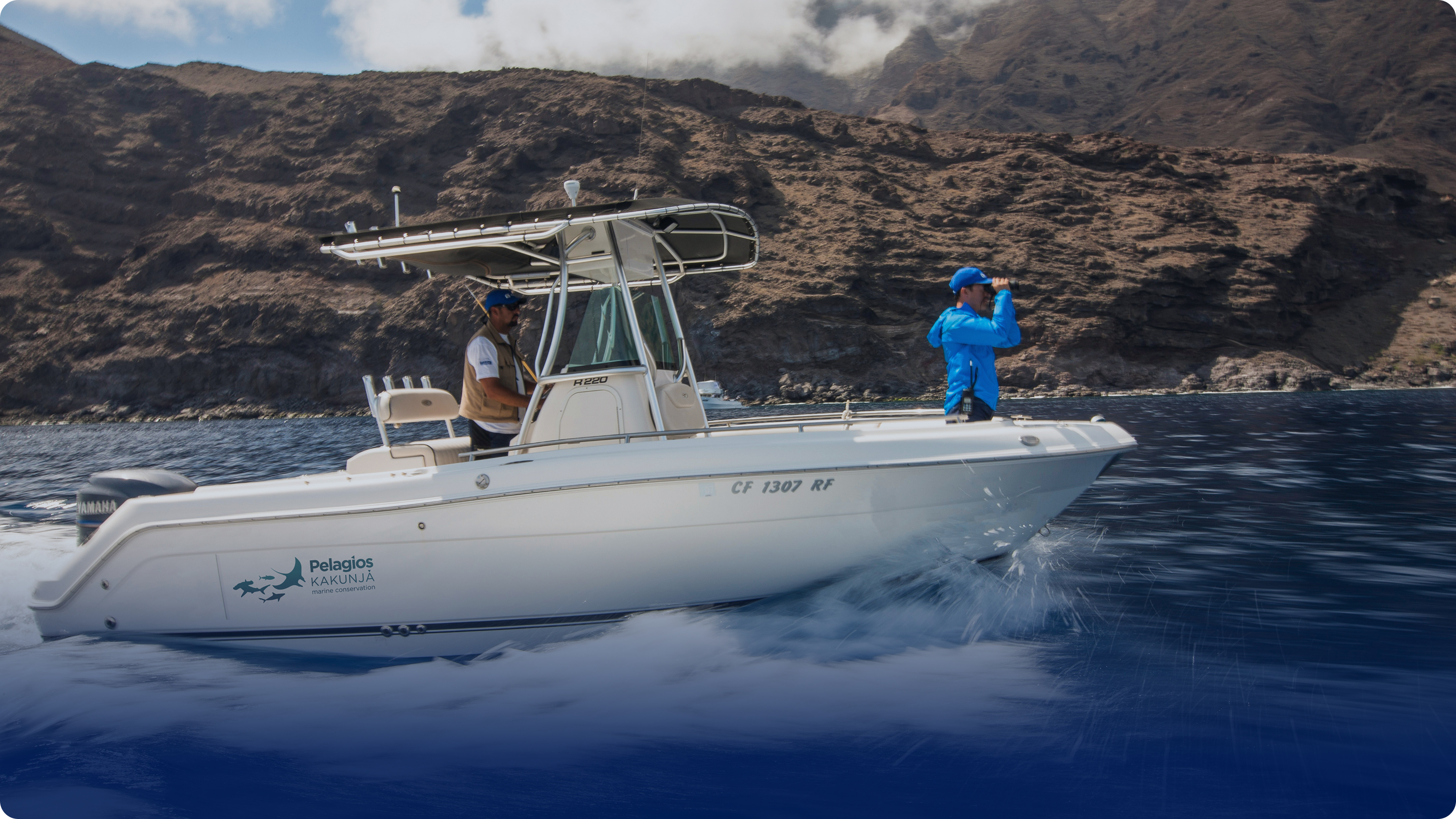
White Shark Conservation and Safety Program
Support shark preservation in marine nursery areas
02 Science
Unraveling Reproduction, Movements, and Behavior.
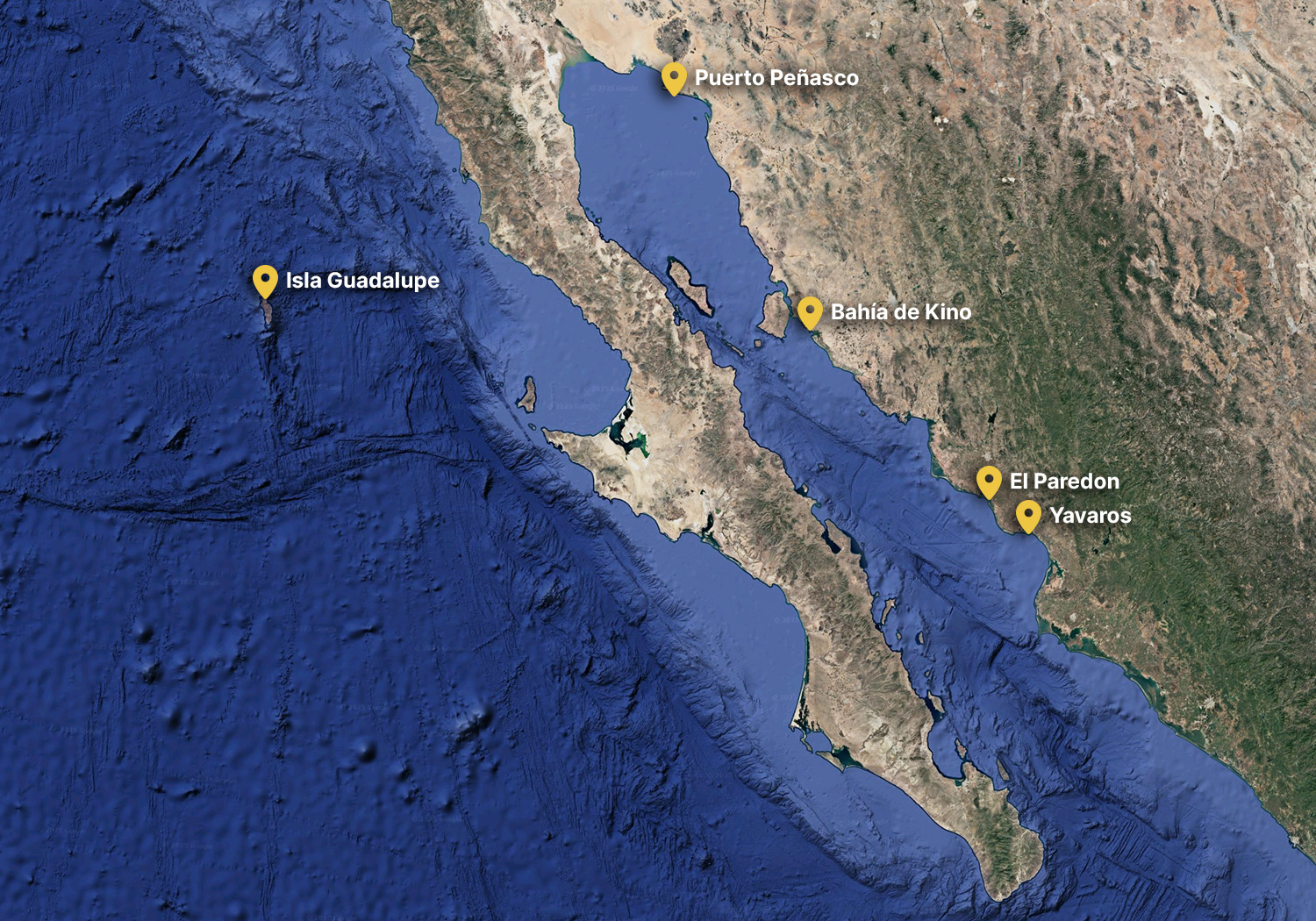
White sharks study area
Area for white shark research in the Gulf of California, highlighting key habitats, movement corridors, and zones of scientific monitoring. The area represents a critical region for understanding white shark ecology, behavior, and conservation needs in the eastern Pacific.
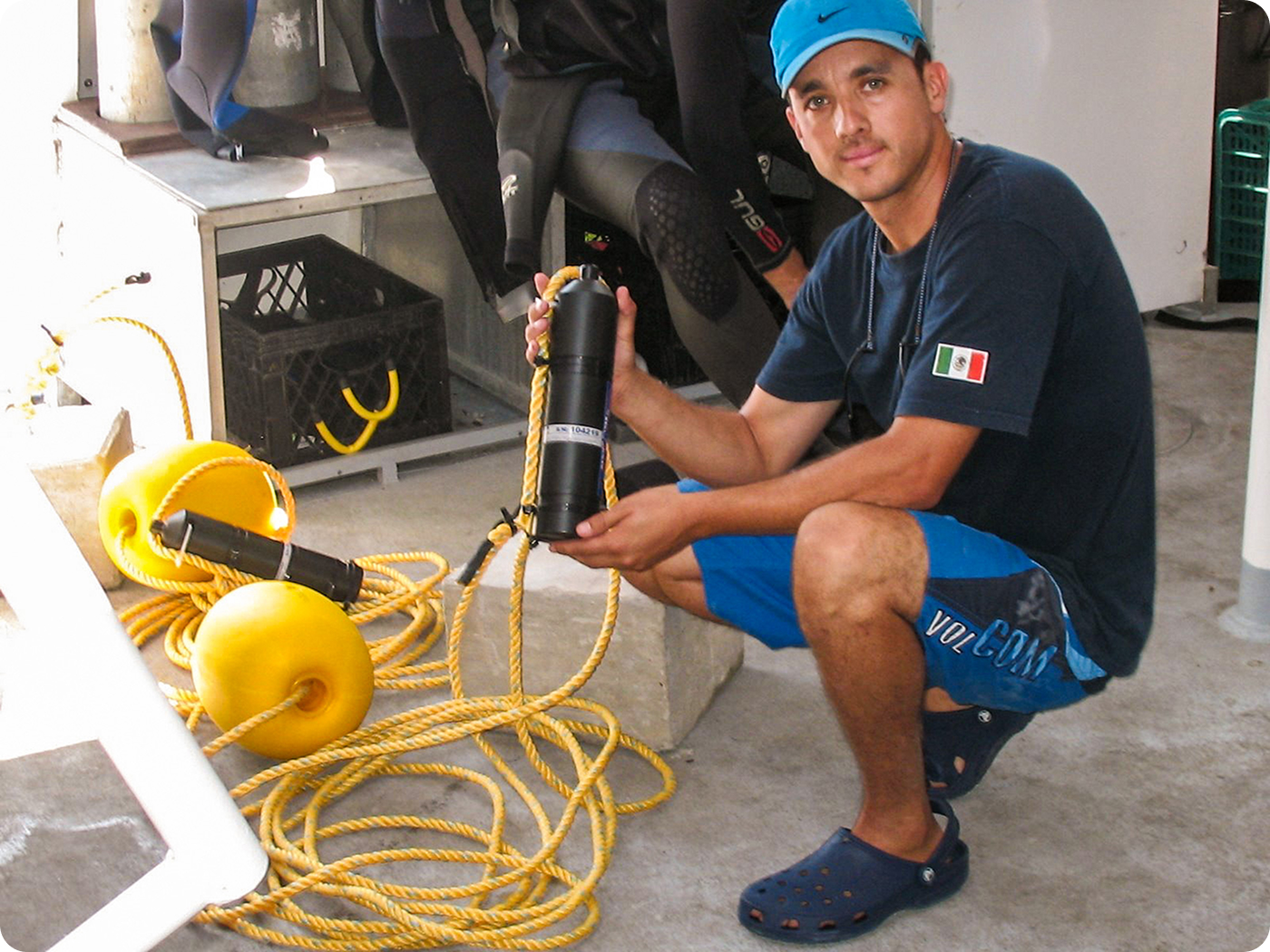
Understanding the reproductive biology of white sharks is essential for their conservation, as it helps identify critical life cycle stages and prevent overfishing. This project uses non-lethal and non-invasive methods to study adult females, including portable ultrasound scans that reveal maturity and pregnancy status, as well as the insertion of “Birthtags” that activate at the moment of birth and transmit location data. Blood samples are also collected to analyze hormone levels (estradiol, testosterone, and progesterone), allowing for scientific confirmation of each individual's reproductive status.
To understand the movements of these sharks, satellite tags (PSAT and Finmount) will be used to record depth, temperature, and location over months, along with acoustic tags that enable real-time tracking within strategic areas. Finmount tags, in particular, offer near-instantaneous locations when the dorsal fin surfaces. This combination of technologies aims to clarify whether females from Guadalupe Island enter the Gulf of California for reproductive purposes and to lay the groundwork for early-warning systems in high-risk zones such as the Sonora coast.
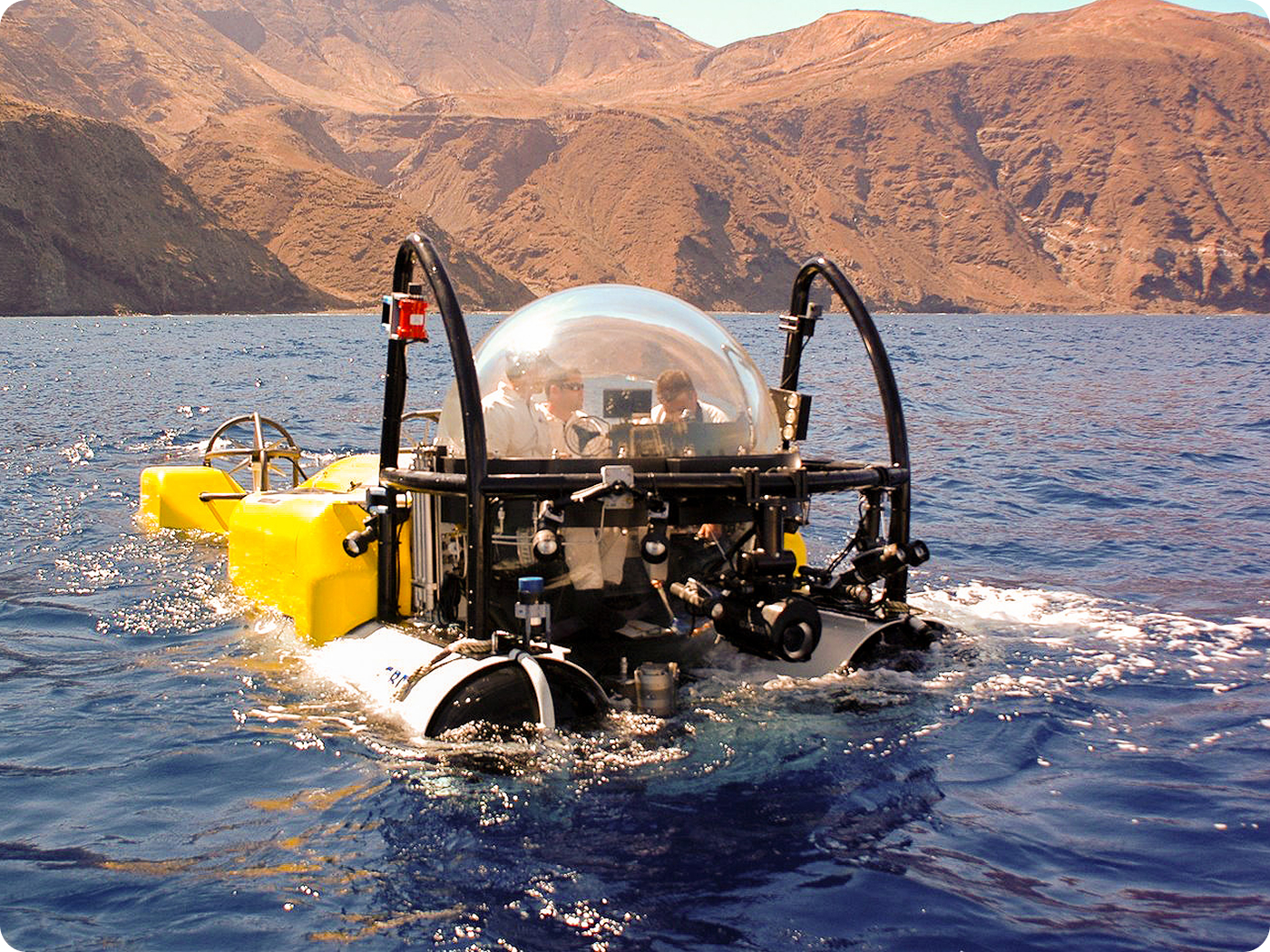
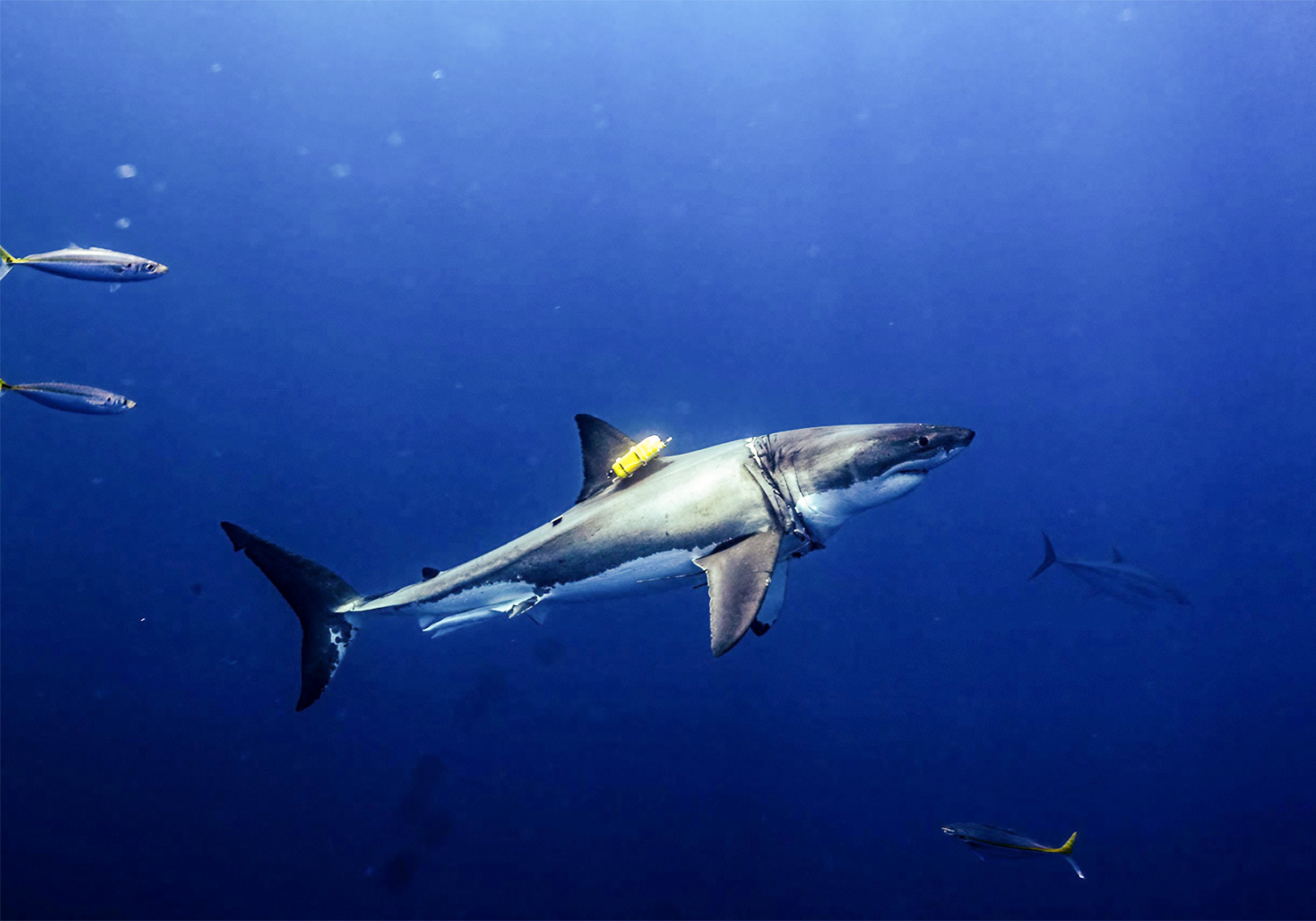
Additionally, the project will assess the feeding and social behaviors of white sharks using CATS-type biologging tags, which integrate motion sensors and cameras, as well as sonar devices capable of detecting prey several meters away, even in low-light conditions. The impact of cage ecotourism will also be studied through active acoustic tracking in the presence and absence of tourist vessels, measuring variables such as depth, speed, and residency time. All of this information will be key for designing management strategies, protecting critical habitats, and preventing conflicts with fishers.
Take Action Today
 Donate
Our work is only possible with your support! Your donation will contribute to our shark research and conservation programs in Mexico
 Adopt
Adopt
Through the adopt a shark program, anyone can symbolically sponsor a shark for themselves, a loved one or together as a company, school group or university
 Donors
Recognizing the generous organizations whose continued support drives our shark conservation, research, and education initiatives forward